

The Halftime Show Never Ends: How Sports Became Entertainment
Sports have always been about performance — competition, passion, and the pursuit of greatness. But in today’s culture, that definition has expanded far beyond the scoreboard. The game itself is still the main act, but everything surrounding it — from the tunnel walks and documentaries to celebrity appearances and halftime shows — has become part of the experience. Sports are no longer competing with entertainment; they are entertainment.
The shift didn’t happen overnight. Over the past decade, we’ve watched athletes turn into global personalities who thrive under every kind of spotlight. LeBron James has gone from NBA champion to film producer. Serena Williams has become a fashion icon and cultural voice. Travis Kelce breaks the internet just by showing up at a concert. The modern athlete doesn’t wait for game day to connect with an audience — they live in that spotlight all week long.
Streaming platforms have played a massive role in this evolution. Netflix series like Drive to Survive, Quarterback, and Full Swing turned athletes into bingeable characters with story arcs that fans follow as closely as a playoff run. Behind-the-scenes access has created emotional storytelling that humanizes players, giving audiences a reason to care beyond the field. Even networks like ESPN have leaned into the trend with projects like Crossover, a documentary exploring the 50-year relationship between hip-hop and sports — proof that these worlds have always been intertwined, but never this visible.
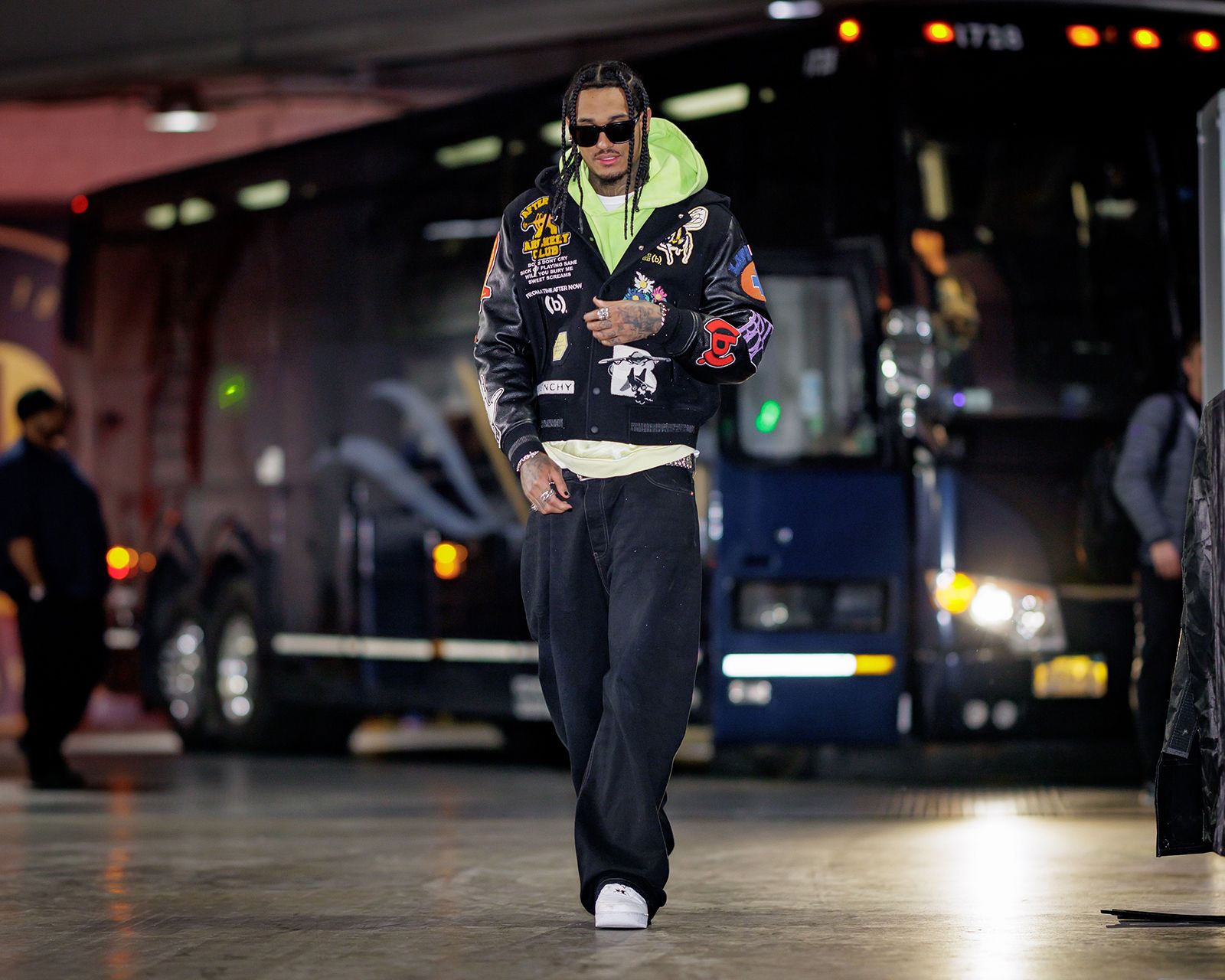
And then there’s the spectacle. Major sports events now double as cultural festivals — packed with music, celebrity guests, fashion statements, and viral moments. The NBA tunnel has become a fashion runway. The Super Bowl halftime show draws more viewers than most award shows. Even pregame and postgame interviews are content gold for social media. Every aspect of sports is designed not just to play the game, but to keep the audience watching.
For athletes, this cultural crossover means power. They’re not just performers on the field; they’re producers, storytellers, and brands. Their careers don’t end when the clock hits zero — they extend into business, fashion, entertainment, and social influence. For fans, it means more access, more stories, and more ways to connect with their heroes. You don’t just root for a team anymore; you subscribe to a lifestyle.
Sports are now pop culture’s heartbeat. The camera doesn’t cut away when the buzzer sounds — it keeps rolling, following players into their next deal, their next drop, their next viral moment. Every highlight, every quote, every outfit is part of the larger narrative.